Understanding Dental Anxiety: Tips to Feel More Comfortable
Walking into a dental office shouldn't fill you with dread, yet for millions of people, dental anxiety is a very real and overwhelming experience. Whether it stems from past painful experiences, fear of needles, sensitivity to sounds and smells, or simply the feeling of vulnerability while lying in the dental chair, dental anxiety can prevent you from getting the care you need. This avoidance can lead to serious oral health problems, creating a vicious cycle where deteriorating dental health makes future visits even more stressful. The good news is that understanding your anxiety and learning practical coping strategies can transform your dental experience from something you dread into a routine appointment you can handle with confidence. Here's everything you need to know about managing dental anxiety and making your next visit as comfortable as possible.
1. Understanding the Root Causes of Dental Anxiety
Dental anxiety manifests differently for everyone, but understanding where your specific fears originate is the first step toward managing them effectively. For many people, dental anxiety traces back to a childhood experience when dental visits were unfamiliar, overwhelming, or associated with discomfort. Perhaps you had a procedure that was more painful than expected, or you felt helpless and out of control during treatment. These early experiences can create lasting impressions that trigger anxiety even decades later, making your body respond with stress signals whenever you think about visiting the dentist.
Fear of pain ranks among the most common sources of dental anxiety, even though modern dentistry has made tremendous advances in pain management and minimally invasive techniques. The anticipation of pain can actually be worse than any discomfort you might experience during actual treatment, as your mind imagines worst-case scenarios that rarely materialize in reality. Some patients develop anxiety around specific aspects of dental visits, such as the sound of the drill, the feeling of numbness from local anesthesia, or concerns about gagging during procedures. Others experience more generalized anxiety that encompasses the entire dental environment, including the clinical smells, bright lights, and unfamiliar equipment.
Loss of control represents another significant trigger for dental anxiety. When you're reclined in the dental chair with tools and hands in your mouth, you can't easily communicate, move freely, or see what's happening. This vulnerability can feel overwhelming, especially if you're someone who generally prefers to stay in control of situations. Additionally, some people carry embarrassment or shame about the condition of their teeth, worrying that the dentist will judge them for neglecting their oral health. This fear can be so powerful that it prevents them from seeking care altogether, allowing dental problems to worsen over time.
Past traumatic experiences with healthcare providers, not necessarily dental-related, can also contribute to dental anxiety. If you've had negative experiences with medical professionals who were dismissive, impatient, or failed to adequately manage your pain, you might project those concerns onto dental visits. Understanding the specific origins of your anxiety helps you communicate more effectively with your dental team and develop targeted coping strategies. Have you identified what specific aspects of dental visits trigger the most anxiety for you?
2. Communication: The Foundation of Comfortable Dental Care
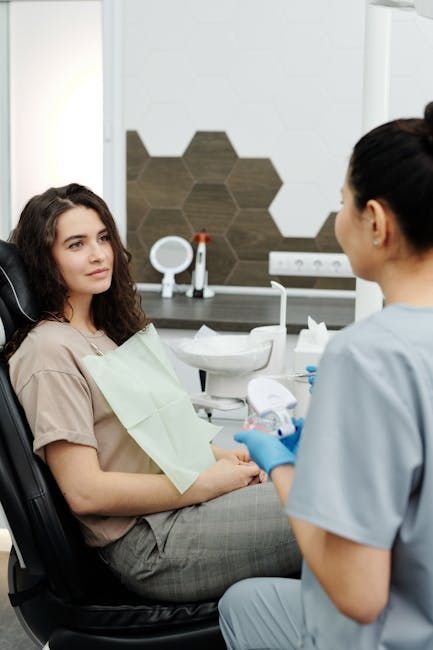
Open, honest communication with your dental team is perhaps the most powerful tool you have for managing anxiety and ensuring comfortable treatment. Many patients suffer in silence, assuming that their dentist will somehow intuitively know they're anxious or uncomfortable. However, dental professionals aren't mind readers, and they genuinely want to help you feel at ease. By expressing your concerns before and during your appointment, you enable your dental team to adjust their approach, explain procedures more thoroughly, and take extra steps to ensure your comfort.
Before your appointment, consider calling the office to discuss your anxiety with the receptionist or scheduling coordinator. Many dental practices have specific protocols for anxious patients and can schedule extra time for your visit, allowing the dentist to work more slowly and take breaks as needed. Request to meet briefly with the dentist before your treatment begins so you can discuss your specific concerns, ask questions about the planned procedures, and establish a communication system for during treatment. This preliminary conversation helps build trust and rapport, transforming the dentist from a faceless stranger into someone who understands and cares about your well-being.
Establishing a signal system before treatment begins gives you a sense of control even when you can't speak clearly. Most dentists are happy to agree on a hand signal you can use if you need them to stop immediately, whether for a break, to adjust your position, or because you're experiencing discomfort. Simply knowing you have this "emergency brake" can significantly reduce anxiety because you're not completely powerless during the procedure. Some patients find it helpful to raise their hand gently to indicate they need a pause, while others prefer a specific gesture. Discuss what works best for you and ensure everyone on the dental team knows your signal.

During treatment, don't hesitate to ask for explanations of what's happening, especially if you hear unfamiliar sounds or feel unexpected sensations. Understanding what the dentist is doing and why can demystify the process and reduce fear of the unknown. Request that the dentist tell you what to expect before each step, including how long it will take and what you might feel. Many anxious patients find this running commentary reassuring because it eliminates surprises. Remember that good dentists want you to be comfortable and informed – they'll never be annoyed by your questions or requests for clarification. Building this communicative partnership with your dental team transforms your visit from something done to you into a collaborative experience where your needs and comfort matter.
3. Practical Relaxation Techniques for Before and During Your Visit
Learning and practicing relaxation techniques can significantly reduce dental anxiety and help you maintain calm during your appointment. Deep breathing exercises represent one of the simplest yet most effective tools for managing stress and anxiety. When we're anxious, our breathing becomes shallow and rapid, which triggers our body's fight-or-flight response and intensifies feelings of panic. By consciously slowing and deepening your breathing, you activate your parasympathetic nervous system, which promotes relaxation and reduces stress hormones. Practice the "4-7-8" technique: breathe in through your nose for four counts, hold for seven counts, and exhale slowly through your mouth for eight counts. Repeat this cycle several times before and during your appointment.
Progressive muscle relaxation involves systematically tensing and relaxing different muscle groups throughout your body, helping release physical tension that accumulates when you're anxious. Start with your toes, clenching them tightly for five seconds before releasing and noticing the contrast between tension and relaxation. Gradually work your way up through your legs, abdomen, arms, shoulders, and facial muscles. This technique not only reduces physical symptoms of anxiety like muscle tension and trembling but also gives your mind something concrete to focus on besides your worries. You can practice progressive muscle relaxation in the waiting room or even in the dental chair before treatment begins.
Visualization and guided imagery provide powerful mental escapes from the dental environment. Close your eyes and imagine yourself in a peaceful, calming place where you feel completely safe and relaxed. This might be a quiet beach with gentle waves, a serene mountain meadow, a cozy reading nook in your home, or any location that brings you peace. Engage all your senses in this visualization – what do you see, hear, smell, and feel in this peaceful place? Some people find it helpful to listen to pre-recorded guided imagery or meditation through headphones during their dental appointment, which simultaneously blocks out clinical sounds and provides a structured relaxation experience.
Mindfulness meditation teaches you to observe your anxious thoughts and physical sensations without judgment or the need to change them. Instead of fighting your anxiety or trying to suppress it, you acknowledge its presence: "I notice I'm feeling anxious right now. My heart is beating faster. My shoulders are tense." This non-judgmental awareness often reduces anxiety's power over you because you're not adding layers of worry about being worried. You can practice mindfulness meditation for just a few minutes daily in the weeks leading up to your appointment, building a skill that becomes easier to access when you need it most. Some dental offices even have calming music, nature sounds, or guided meditation available through headphones specifically to support anxious patients.
4. Modern Sedation and Comfort Options
Today's dental practices offer a range of sedation and comfort options designed specifically for anxious patients, making it possible for even those with severe dental phobia to receive necessary treatment comfortably. Understanding these options empowers you to have an informed conversation with your dentist about which approach might work best for your specific needs and the complexity of your treatment. Sedation dentistry has evolved dramatically, offering solutions from mild relaxation to complete unconsciousness, depending on your anxiety level and the procedures being performed.
Nitrous oxide, commonly known as laughing gas, provides mild to moderate sedation that helps you relax while keeping you fully conscious and able to respond to instructions. You inhale the gas through a small mask placed over your nose, and within minutes, you'll feel a pleasant sense of calm and well-being. Many patients describe a floating sensation or mild euphoria, and some find that time seems to pass more quickly while under nitrous oxide. The effects wear off almost immediately after the mask is removed, allowing you to drive yourself home and resume normal activities right away. Nitrous oxide is particularly useful for patients with mild to moderate anxiety or those undergoing shorter procedures.
Oral conscious sedation involves taking prescribed medication, typically in pill form, about an hour before your appointment. This creates a deeper level of sedation than nitrous oxide, leaving you drowsy and extremely relaxed throughout your procedure. While you remain technically conscious and can respond to questions or instructions, most patients have little to no memory of the treatment afterward. The medication's effects can last several hours, so you'll need someone to drive you to and from your appointment. Oral sedation is ideal for moderate to severe anxiety or longer, more complex procedures. Your dentist will review your medical history carefully before prescribing oral sedation to ensure it's safe for you.

IV sedation provides the deepest level of conscious sedation, administered intravenously by trained professionals who monitor you continuously throughout your procedure. Under IV sedation, you're in a sleep-like state and will have no memory of the treatment, though you can still respond to verbal cues and physical stimulation if needed. This option is typically reserved for patients with severe dental phobia, those undergoing extensive procedures, or people who haven't been able to tolerate treatment with other sedation methods. Because IV sedation requires specialized training and monitoring equipment, not all dental offices offer this option, but your dentist can refer you to practices that do if it's appropriate for your situation. Beyond sedation, modern dentistry offers numerous comfort measures like heated blankets, noise-canceling headphones, massage chairs, and topical numbing gels applied before injections to minimize any sensation from the anesthetic needle itself.
5. Building Positive Dental Experiences Over Time
Overcoming dental anxiety is often a gradual process that requires patience, persistence, and a willingness to start small and build your confidence incrementally. Rather than forcing yourself into a difficult procedure when you're already overwhelmed with fear, consider beginning your relationship with a new dentist through a simple cleaning or consultation appointment where no treatment will be performed. This allows you to familiarize yourself with the environment, meet the staff, sit in the dental chair, and experience the sights, sounds, and smells of the office without the added stress of anticipating a procedure. Think of it as a practice run that helps desensitize you to the dental environment.
Scheduling regular preventive appointments, even when you don't have active problems, actually reduces long-term anxiety by keeping your oral health in good condition and preventing the need for more extensive, stressful treatments. When you only visit the dentist when you have pain or obvious problems, you unconsciously associate dental visits with negative experiences, reinforcing your anxiety. Conversely, routine cleanings and check-ups that detect and address small issues before they become painful procedures help you build positive associations with dental care. Over time, you'll develop trust in your dental team and confidence that visits won't necessarily be uncomfortable experiences to fear.
Celebrate your successes, no matter how small they seem. Did you make it through a cleaning without panicking? Did you successfully use a relaxation technique during a procedure? Did you communicate your needs clearly to your dentist? Each of these achievements deserves recognition because you're actively working to overcome a genuine fear. Some people find it helpful to reward themselves after dental appointments with something enjoyable – perhaps their favorite meal, a relaxing activity, or simply acknowledging their bravery. This positive reinforcement helps your brain begin associating dental visits with positive outcomes rather than just stress and fear.
Consider joining support groups, either online or in person, where you can connect with others who struggle with dental anxiety. Sharing experiences, coping strategies, and encouragement with people who truly understand can be incredibly validating and helpful. You'll learn new techniques others have found effective, and you might discover that your fears aren't as unusual or insurmountable as you thought. Some people also benefit from working with a therapist who specializes in anxiety or phobias, particularly if dental anxiety significantly impacts their life or stems from traumatic experiences. Cognitive-behavioral therapy (CBT) has proven especially effective for dental phobia, helping you identify and challenge the thought patterns that fuel your anxiety while developing healthier coping mechanisms.
Conclusion
Dental anxiety is a common challenge that affects countless people, but it doesn't have to prevent you from getting the oral healthcare you need and deserve. By understanding the roots of your anxiety, communicating openly with your dental team, practicing relaxation techniques, exploring sedation options when appropriate, and gradually building positive experiences, you can transform your relationship with dental care. Remember that progress isn't always linear – some appointments might feel easier than others, and that's perfectly normal. What matters is that you're taking steps to address your anxiety rather than letting it control your oral health decisions.
At Lamprey Dental, we understand that dental anxiety is real, valid, and deserves compassionate attention. Our team is specially trained to work with anxious patients, and we're committed to creating a calm, comfortable environment where you feel heard, respected, and in control. We offer various sedation options, take the time to explain every procedure thoroughly, and never rush you through treatment. Your comfort and confidence matter as much to us as your oral health. Don't let fear keep you from the healthy smile you deserve – contact us today to discuss how we can make your dental experience as anxiety-free as possible. Together, we'll develop a personalized approach that honors your feelings while keeping your oral health on track.