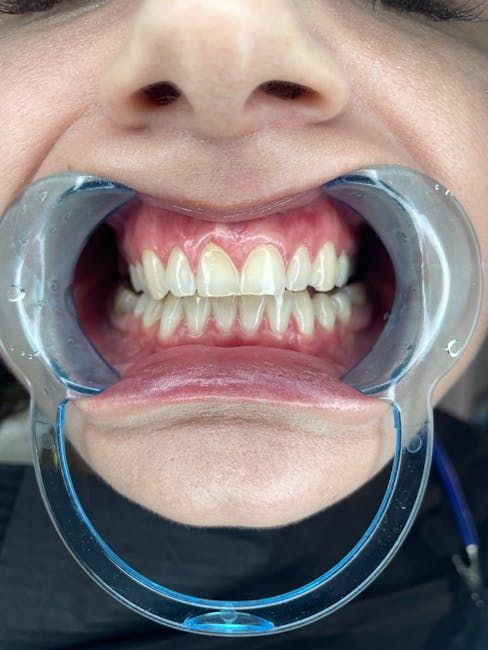
The Hidden Connection Between Oral Health and Heart Disease
When most people think about oral health, they imagine bright smiles, fresh breath, and avoiding cavities. Few realize that the health of your mouth is intimately connected to the health of your heart and cardiovascular system. At Lamprey Dental , we believe in educating our patients about the whole-body implications of oral health, because understanding these connections empowers you to make better decisions for your overall wellbeing.
Research over the past two decades has revealed compelling evidence linking periodontal disease—chronic inflammation and infection of the gums—to an increased risk of cardiovascular disease, heart attacks, and strokes. This isn't coincidental. The mouth serves as a gateway to the rest of your body, and bacteria from infected gums can enter your bloodstream, triggering inflammatory responses that affect your heart and blood vessels. The relationship between oral health and heart disease represents one of the most significant discoveries in modern medicine, fundamentally changing how we understand preventive healthcare.
Understanding the Oral-Systemic Health Connection
Your mouth contains hundreds of species of bacteria, most of which are harmless or even beneficial. However, when oral hygiene deteriorates and gum disease develops, harmful bacteria proliferate and create chronic infection in your gums. This infection doesn't stay confined to your mouth—it becomes a systemic issue that affects your entire body.
Gum disease begins as gingivitis, characterized by red, swollen, bleeding gums. Without intervention, it progresses to periodontitis, where bacteria invade deeper tissues and begin destroying the bone that supports your teeth. During this process, bacteria enter your bloodstream through the inflamed gum tissues. Every time you chew, brush, or floss with diseased gums, you potentially introduce bacteria into your circulatory system. This phenomenon, called bacteremia, allows oral pathogens to travel throughout your body and colonize distant sites, including your heart.
Once in the bloodstream, these bacteria trigger your immune system's inflammatory response. Your body releases inflammatory chemicals called cytokines to fight the infection. While this response protects you from acute harm, chronic inflammation from ongoing gum disease causes collateral damage to your cardiovascular system. Inflammation contributes to atherosclerosis—the buildup of fatty plaques in artery walls—which narrows blood vessels and restricts blood flow to your heart and brain.

Studies have identified specific oral bacteria, particularly Porphyromonas gingivalis and Streptococcus sanguis, in atherosclerotic plaques removed from patients' arteries. This direct evidence confirms that bacteria from your mouth can indeed reach your heart and contribute to cardiovascular disease. The presence of these pathogens in arterial plaques isn't merely incidental—research suggests they actively participate in the disease process, promoting inflammation and plaque instability.
The Statistics Behind the Connection
The statistical correlation between gum disease and heart disease is striking and well-documented across numerous large-scale studies. People with periodontal disease face a 20-30% higher risk of coronary artery disease compared to those with healthy gums, even after researchers control for other risk factors like smoking, diabetes, and high blood pressure. This independent association suggests that oral health exerts its own unique influence on cardiovascular health.
The severity of gum disease matters significantly. Individuals with advanced periodontitis experience double the risk of fatal heart attacks compared to those with healthy gums. Tooth loss—often the end result of untreated gum disease—also correlates strongly with cardiovascular events. Studies show that people who have lost multiple teeth due to periodontal disease face elevated risks of heart attack and stroke, with the risk increasing proportionally to the number of teeth lost.
Perhaps most concerning, gum disease appears to accelerate the progression of existing heart disease. Patients with both conditions experience worse cardiovascular outcomes than those with heart disease alone. The chronic inflammation from periodontal disease compounds the inflammatory burden from cardiovascular disease, creating a synergistic effect that accelerates arterial damage and increases the likelihood of acute cardiac events.
These statistics aren't meant to frighten you but to underscore an important message: maintaining good oral health isn't just about your teeth—it's an essential component of heart disease prevention and overall health maintenance. The good news is that gum disease is both preventable and treatable, meaning you have significant control over this cardiovascular risk factor.
How Inflammation Creates Cardiovascular Risk
Inflammation serves as the common thread linking oral health to heart disease. Chronic inflammation from periodontal disease doesn't remain localized in your mouth—it becomes a systemic condition affecting your entire body, with your cardiovascular system bearing much of the burden.
When bacteria from infected gums enter your bloodstream, your immune system responds by releasing inflammatory mediators including C-reactive protein (CRP), interleukins, and tumor necrosis factor. Elevated levels of these markers appear consistently in patients with both gum disease and cardiovascular disease. CRP in particular has emerged as a powerful predictor of heart attack and stroke risk, and studies show that treating periodontal disease can reduce CRP levels significantly.
This chronic inflammatory state damages the delicate endothelial cells lining your blood vessels. Healthy endothelium regulates blood pressure, prevents blood clots, and maintains smooth blood flow. Inflammation impairs these protective functions, making your blood vessels more prone to atherosclerosis, blood clot formation, and reduced flexibility. Over time, this damage accumulates, increasing your risk of hypertension, heart attack, and stroke.

Periodontal bacteria also directly interact with platelets in your blood, making them stickier and more likely to clump together. This increases your risk of dangerous blood clots that can block arteries in your heart or brain. Additionally, inflammatory chemicals from gum disease can destabilize existing arterial plaques, causing them to rupture. When a plaque ruptures, it triggers rapid clot formation that can suddenly block blood flow, resulting in a heart attack or stroke.
The inflammatory connection explains why treating gum disease can improve cardiovascular health markers. Multiple studies demonstrate that periodontal therapy—including deep cleaning procedures and improved home care—reduces inflammation levels throughout the body. Patients who receive treatment for gum disease show improvements in endothelial function, arterial health, and inflammatory markers. This suggests that caring for your gums isn't just about preventing tooth loss—it's about protecting your heart.
Shared Risk Factors Compound the Problem
Gum disease and heart disease share several common risk factors, which helps explain why they so frequently occur together. Understanding these shared risks allows you to address multiple health concerns simultaneously through lifestyle modifications and preventive care.
Smoking represents one of the most significant risk factors for both conditions. Tobacco use impairs immune function, making it harder for your body to fight infections in your gums. It also reduces blood flow to gum tissues, hampering their ability to heal from bacterial attack. Simultaneously, smoking damages your cardiovascular system by promoting inflammation, raising blood pressure, and accelerating atherosclerosis. If you smoke, quitting offers perhaps the single most impactful step you can take to improve both your oral and cardiovascular health.
Diabetes creates a bidirectional relationship with periodontal disease. Poorly controlled blood sugar levels make gum disease more severe and harder to treat, while gum disease makes diabetes more difficult to control by increasing insulin resistance. Since diabetes also significantly increases cardiovascular disease risk, people with diabetes face compounded dangers from the interplay between these three conditions. Managing all three together—through dental care, blood sugar control, and cardiovascular risk reduction—produces the best outcomes.
Poor diet affects both your mouth and your heart. Diets high in sugar and refined carbohydrates fuel the growth of harmful oral bacteria while also promoting obesity, high cholesterol, and diabetes—all major cardiovascular risk factors. Conversely, diets rich in vegetables, fruits, whole grains, and lean proteins support both oral and cardiovascular health by providing essential nutrients, reducing inflammation, and controlling weight.
Chronic stress impacts your immune system's ability to fight infections, including those in your gums. Stress also contributes to cardiovascular disease through multiple pathways including elevated blood pressure, increased inflammation, and behavioral factors like poor sleep and unhealthy coping mechanisms. Managing stress through exercise, meditation, adequate sleep, and social connections benefits both your gums and your heart.
Protecting Your Heart Through Dental Care
The connection between oral health and heart disease empowers you with actionable knowledge. By prioritizing your dental health, you're also investing in cardiovascular disease prevention. At our Raymond dental practice , we emphasize comprehensive preventive care that protects not just your smile, but your overall health.
Daily oral hygiene forms the foundation of both dental and cardiovascular health. Brush your teeth twice daily for two minutes using a soft-bristled toothbrush and fluoride toothpaste. This removes the bacterial biofilm (plaque) that causes gum disease before it can trigger inflammation. Don't neglect your gumline—angle your brush at 45 degrees and gently sweep bacteria away from the gum tissue. Replace your toothbrush every three months or sooner if the bristles become frayed.
Flossing daily is equally crucial. Brushing alone cannot reach the 40% of tooth surfaces that lie between teeth. These interdental spaces serve as prime real estate for bacteria to colonize and infect your gums. Flossing disrupts bacterial communities in these areas, preventing them from establishing the chronic infections that lead to periodontal disease. If traditional floss proves difficult, consider interdental brushes, water flossers, or floss picks—the best tool is whichever one you'll actually use consistently.
Regular professional dental care provides surveillance and intervention that home care alone cannot achieve. During your checkups, we thoroughly examine your gums for signs of disease, measure pocket depths around your teeth, and remove hardened calculus (tartar) that only professional instruments can eliminate. These cleanings disrupt bacterial colonies and reduce inflammatory burden before significant damage occurs. For optimal oral and cardiovascular health, visit your Raymond dentist at least twice yearly, or more frequently if you have existing gum disease or other risk factors.

If you're diagnosed with gum disease, seek treatment promptly. Periodontal therapy—including scaling and root planing (deep cleaning below the gumline), antibiotic treatments, and in severe cases, surgical interventions—can halt disease progression, reduce bacterial load, and lower inflammation levels throughout your body. Studies show that patients who receive periodontal treatment experience improvements in cardiovascular health markers and reduced risk of cardiac events.
Communicate openly with both your dentist and your physician about your complete health picture. If you have cardiovascular disease or risk factors like high blood pressure, high cholesterol, or a family history of heart disease, make sure your dental team knows. Similarly, if you're diagnosed with gum disease, inform your physician so they can consider this in your cardiovascular risk assessment and management plan. Coordinated care between your dental and medical providers produces the best outcomes for your overall health.
Your Partners in Comprehensive Health Care
At Lamprey Dental, we take pride in our commitment to whole-patient care that recognizes the profound connections between oral health and systemic wellness. We don't just treat teeth—we partner with you to optimize your overall health, understanding that a healthy mouth contributes to a healthy body and a healthy life.
Our comprehensive dental examinations include thorough gum health assessments because we know that protecting your gums means protecting your heart. We screen for periodontal disease at every visit, measure the health of the tissues supporting your teeth, and develop personalized treatment plans when problems arise. Our preventive care philosophy emphasizes catching and addressing issues early, before they progress to more serious conditions that threaten both your oral and cardiovascular health.
We also believe in patient education because informed patients make better health decisions. Understanding why you're brushing, flossing, and visiting the dentist transforms these activities from chores into meaningful investments in your longevity and quality of life. When you understand that caring for your gums helps protect against heart attack and stroke, that motivation can sustain better habits long-term.
Ready to protect both your smile and your heart? Contact Lamprey Dental today to schedule your comprehensive dental examination. Our experienced team in Raymond, NH is here to provide exceptional preventive care that supports your overall health and wellbeing. Call us at (603) 895-3161 or visit our office at 37 Epping St, Raymond, NH. Your heart will thank you for the care you give your teeth!