Nutrition and Your Teeth: Foods That Help vs. Hurt
Your diet does more for your dental health than most people realize. While a consistent brushing and flossing routine forms the foundation of good oral hygiene, what you eat and drink every day either supports or undermines that foundation. At Lamprey Dental in Raymond, we're committed to helping our patients throughout Raymond, Epping, Candia, Deerfield, Chester, and Fremont understand how to make food choices that protect their smiles for the long term. Whether you're a longtime patient or just starting to think more carefully about your oral health, this guide is for you.
Here's the core principle: bacteria naturally present in your mouth feed on sugars and refined carbohydrates, producing acids that attack and erode tooth enamel. Over time, repeated acid exposure leads to cavities, gum disease, and sensitivity. But the right foods can actively work against this process — delivering minerals that rebuild enamel, vitamins that support gum health, and compounds that help maintain a healthy oral pH. Building your diet around these protective choices is one of the most sustainable things you can do for your teeth.
The Best Foods for a Healthy Smile
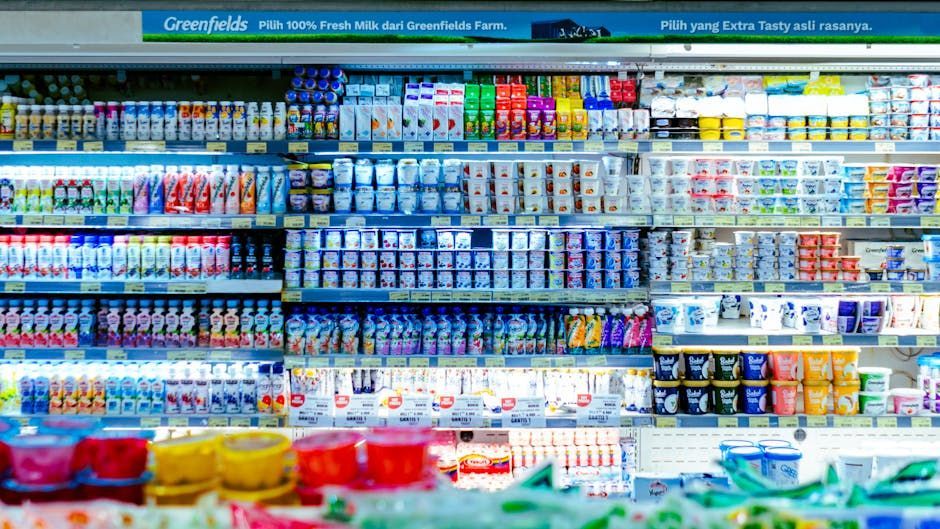
Dairy products lead the list of smile-protective foods by a wide margin. Milk, cheese, and plain yogurt are packed with calcium and phosphorus — the primary minerals that make up tooth enamel. These minerals help remineralize enamel that's been lightly softened by daily acid exposure, continuously repairing microscopic damage before it becomes a cavity. Cheese is especially beneficial: it raises the mouth's pH (making the environment less acidic), stimulates saliva production, and contains casein proteins that have been shown to bond directly to enamel surfaces and strengthen them. For families in Raymond and Epping looking for tooth-friendly after-school snacks, a piece of natural cheese or a cup of plain Greek yogurt is hard to beat.
Crunchy, fiber-rich fruits and vegetables are another powerful category for dental health. Apples, carrots, celery, cucumber, and pears all have a crisp texture that physically scrubs tooth surfaces as you chew, helping to dislodge food particles and stimulate saliva flow. Saliva is your mouth's built-in defense system — it neutralizes acids, washes away bacteria and food debris, and continuously delivers minerals back to enamel surfaces. These foods are also naturally low in sugar compared to processed snacks, making them an excellent choice for between-meal eating. A crunchy apple or handful of baby carrots after lunch is genuinely one of the better things you can do for your dental health when brushing isn't available.
Leafy greens — spinach, kale, arugula, Swiss chard — are nutritional powerhouses that directly benefit both teeth and gums. They're rich in calcium, folic acid, and vitamins A, C, and K, all of which support enamel strength, healthy gum tissue, and the body's ability to fight oral infection and inflammation. Vitamin C in particular is essential for collagen production, which keeps gum tissue firm and resilient. Research has consistently linked adequate folic acid intake to lower rates of gum disease. Adding greens regularly to your diet — in salads, smoothies, or as side dishes — provides a meaningful boost to your oral health. Nuts and seeds, especially almonds, cashews, and pumpkin seeds, are also excellent additions: they deliver calcium, phosphorus, and healthy fats without significant sugar.
Water, especially fluoridated municipal tap water, is the single most beneficial drink for your teeth. It rinses away sugars and acid-producing bacteria, dilutes the acids that accumulate after eating, and keeps your mouth adequately moist for optimal saliva function. Fluoride in tap water has been proven in decades of public health research to strengthen enamel against acid erosion. For patients in Candia, Deerfield, or other rural communities who may rely on well water without fluoride, using a fluoride toothpaste consistently becomes especially important.
Foods and Drinks That Damage Your Teeth
Sugary foods and beverages are the primary dietary driver of tooth decay, and their influence extends far beyond candy and soda. When bacteria in your mouth encounter sugar, they immediately begin producing lactic acid — a process that starts within seconds of consumption. Repeated acid exposures throughout the day progressively erode enamel, creating conditions for cavities. What surprises many of our Raymond patients is how broadly sugar appears in otherwise "healthy" foods: flavored yogurts, fruit juices, granola bars, sports drinks, protein bars, and even many crackers and breads contain significant added sugar. The habit of reading nutrition labels and being mindful of hidden sugars is one of the most impactful choices you can make for your dental health.
Acidic foods and beverages are equally damaging and often less recognized as dental threats. Citrus fruits and juices, sodas (including diet sodas), carbonated waters, tomatoes, vinegar-based sauces, and wine are all highly acidic. Acid temporarily softens tooth enamel, making it more susceptible to erosion from chewing, grinding, and brushing. Soda is especially harmful because it layers high acidity on top of high sugar content — delivering a double attack with every sip. A practical tip: when you consume acidic foods or drinks, rinse with plain water immediately after and wait at least 30 minutes before brushing, as brushing softened enamel can accelerate wear.
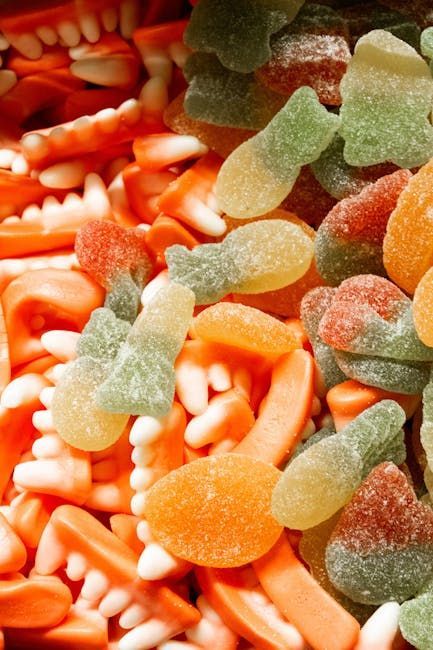
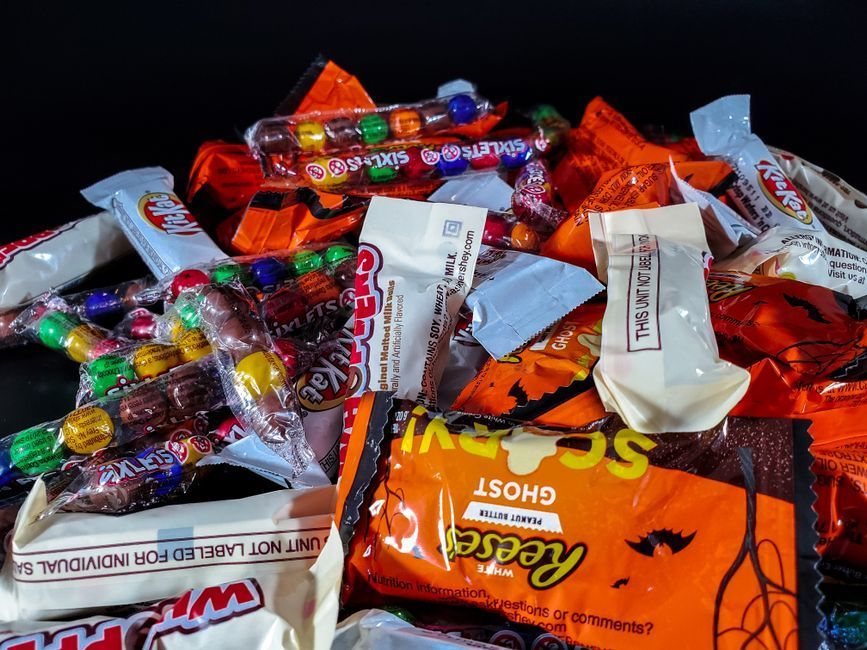
Sticky and chewy foods are a dental hazard that often catches patients off guard. Dried fruits, gummy candies, caramel, taffy, and certain granola and protein bars cling to tooth surfaces for extended periods — sometimes an hour or more — giving bacteria a prolonged sugar source and dramatically increasing acid exposure time. One particularly important note for parents: gummy vitamins, despite being marketed as healthy for children, are among the worst offenders for sugar contact on teeth. Opting for chewable or tablet vitamins and rinsing after consumption can make a significant difference. When sticky snacks are unavoidable, eating them with a meal and rinsing or brushing afterward helps minimize the damage.
Refined starchy foods — white bread, chips, pretzels, crackers, and similar snacks — are often overlooked as dental hazards. They convert to simple sugars rapidly in the mouth, and the sticky, paste-like consistency they develop when mixed with saliva allows them to pack into the crevices and grooves of your teeth where bacteria thrive. Opting for whole grain alternatives provides more fiber, slower starch conversion, and a less adhesive texture that clears from tooth surfaces more easily.
Habits and Timing That Amplify What You Eat
Beyond individual food choices, the timing and frequency of eating significantly impact your dental health. Every time you eat or drink (other than water), your mouth enters an acidic state for approximately 20 to 30 minutes as oral bacteria process incoming sugars. If you're snacking continuously throughout the day or nursing sweetened drinks over hours, your mouth stays in that acid-attack zone nearly all the time — dramatically accelerating enamel erosion. Consolidating eating to structured mealtimes with water in between allows your enamel far more recovery time in a neutral or remineralizing state. This single habit shift can be one of the most impactful changes you make for your dental health.
Ending meals with a tooth-friendly choice also helps. A small piece of cheese, a few almonds, or even just a glass of water after eating helps neutralize residual acids and supports enamel recovery before your next brushing. These practical habits, layered with twice-daily brushing, daily flossing, and regular professional cleanings at our Raymond office, form a complete approach to dental wellness that protects your smile from every angle.
Lamprey Dental — Raymond, NH
At Lamprey Dental, we're proud to serve families throughout Raymond, Epping, Candia, Deerfield, Chester, Fremont, and Nottingham with comprehensive, personalized dental care. Nutrition is just one piece of the oral health picture, and our team is always happy to discuss dietary habits, brushing routines, and any specific concerns you may have at your next visit.
Ready to schedule your appointment? Contact Lamprey Dental today at (603) 895-3161. Visit us at 37 Epping St, Raymond, NH 03077. Your healthiest smile starts with what's on your plate!