What to Do When a Crown Falls Off
It's one of those moments that stops you cold — you're mid-bite and suddenly there's something hard and unfamiliar in your mouth. You fish it out and realize it's your dental crown. The tooth underneath feels exposed, sensitive, and strange. What do you do?
At Lamprey Dental, we serve patients throughout Raymond, Epping, Candia, Deerfield, Nottingham, Fremont, and Chester — and a lost crown is one of the dental emergencies we hear about most often. The situation almost always has a straightforward solution, but what you do in the first few hours matters. Here's exactly what you need to know.
Right Now: Find It, Rinse It, Call Us
The moment you realize your crown has come off, your first priority is to find it. It may still be in your mouth, on the food you were eating, or on your plate. Handle it gently — rinse it carefully under warm water to remove any food debris, but don't scrub it or use soap or toothpaste. Then take a good look at it. If the crown is intact — no visible cracks, chips, or distortion — there's a strong chance your dentist can simply recement it at your appointment rather than fabricating a new one, which is both faster and less expensive. Store it safely in a small bag or container and keep it for your visit.
Call our office immediately. We do everything we can to accommodate crown emergencies the same day or the next morning. The tooth underneath your crown has been prepared — reduced and shaped — and without the crown protecting it, it's vulnerable to pressure damage and accelerating decay. The sooner you get in, the simpler the solution is likely to be. If you're calling outside of office hours, please leave a voicemail with your name and contact information and we'll be in touch first thing.
While you're waiting, eat on the opposite side of your mouth and avoid anything hard, chewy, sticky, very hot, or very cold near the exposed tooth. The prepared tooth beneath the crown no longer has its full natural architecture — it was intentionally shaped down to accommodate the crown — and it can fracture more easily than a natural tooth would under the same forces. Protecting it until you see us is the most important thing you can do between now and your appointment.
How to Manage Comfort Until Your Appointment
Over-the-counter temporary dental cement — sold under names like Dentemp, Recapit, and TempBond — is available at most pharmacies without a prescription and is designed exactly for this kind of situation. It allows you to temporarily reseat the crown over the exposed tooth, which reduces sensitivity and provides some protection for the tooth structure underneath. It's not a permanent fix and is not a substitute for seeing your dentist, but it can make the interim period significantly more comfortable.
To use it: dry both the tooth and the inside of the crown completely before applying anything. Place a small amount of the cement inside the crown, carefully position it over the tooth, and bite down gently and evenly to seat it properly. Remove any excess cement that squeezes out around the edges. Then leave it — don't try to adjust it. Stick to very soft foods: yogurt, scrambled eggs, oatmeal, soup, bananas. Temporary cement isn't designed to handle normal bite forces, especially on harder or chewier foods.
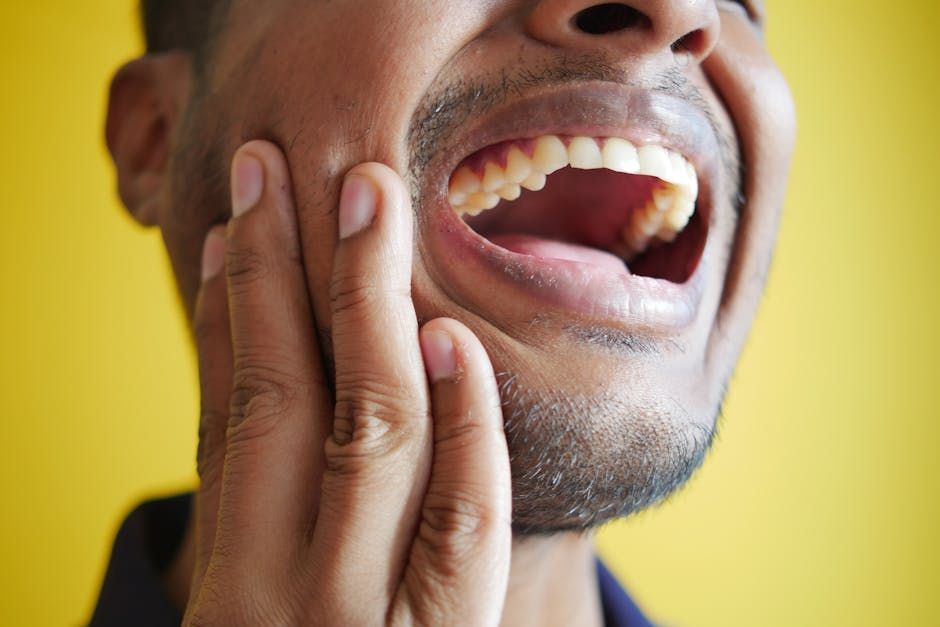
If the tooth is sensitive to air, temperature, or pressure, ibuprofen or acetaminophen can help manage discomfort. Clove oil — available in the oral care section of most pharmacies — can also be applied sparingly to the exposed tooth with a cotton swab for mild, temporary numbing. One thing that's very important: do not use super glue, epoxy, Krazy Glue, or any non-dental adhesive to reattach the crown. These products chemically bond in ways that damage enamel and the interior of the crown — they can turn a simple recementation into a complex and expensive repair.
Why Did the Crown Come Loose?
Crowns don't fall off without cause. Understanding why yours came off helps your dentist determine the right fix and helps you protect your other crowns in the future. Cement degradation over time is the most common reason. Dental cement is designed to be durable, but it's not permanent. Over years of exposure to chewing forces, the acidic environment of the mouth, and the constant thermal changes of eating, the cement bond slowly weakens. Crowns that have been in place for a decade or more are the most likely to eventually loosen at the cement margin.
Decay beneath the crown is another very common and often surprising cause. Many patients assume that a crowned tooth is fully protected from decay — but bacteria can penetrate the margin where the edge of the crown meets the tooth, and once decay begins in the tooth structure underneath, it steadily undermines the cement bond. Decay beneath a crown often causes no pain or sensitivity at all until it's quite advanced — but it shows up clearly on X-rays well before that point. This is one reason routine dental checkups and X-rays matter even for teeth that feel completely fine.
Grinding and clenching (bruxism) are also significant contributors. People who grind their teeth at night exert forces on their crowns that far exceed what normal chewing generates — and that repeated stress accelerates cement fatigue. A custom night guard, fitted to your specific bite, can dramatically extend the lifespan of your crowns and other dental restorations if grinding is a factor for you.
What Happens When You Come In
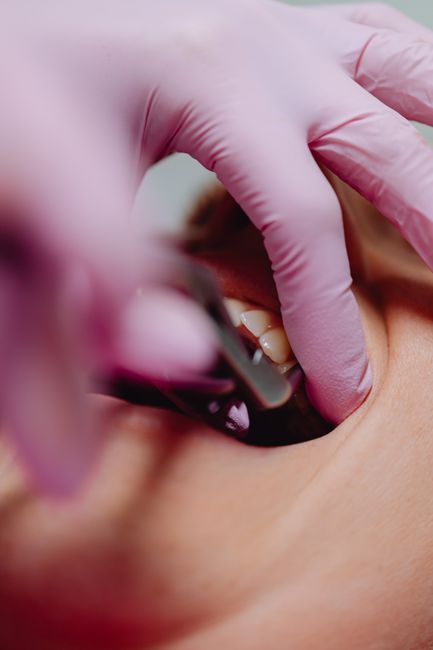
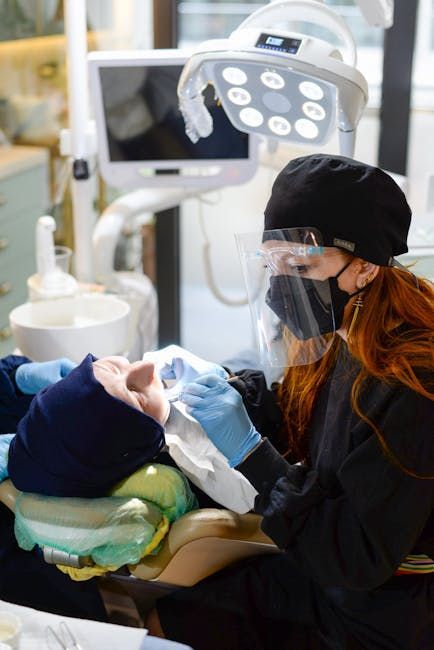
At your appointment, we start by examining both the crown and the tooth it came from. We assess whether the crown is undamaged and can be cleaned and recemented, or whether it's cracked or otherwise compromised and will need to be replaced. We also carefully examine the tooth: looking for new decay at the margin, evaluating the remaining tooth structure for any signs of fracture, and taking an X-ray if there's any reason to look more closely at what's happening below the surface.
If the crown is intact and the tooth is healthy, recementation is a quick, typically single-appointment procedure. We clean and dry both surfaces thoroughly, apply permanent dental cement, seat the crown, check your bite, and you're done. We'll give you specific aftercare instructions — what to avoid eating for the next 24 hours, and what signs to watch for. If the crown needs to be replaced, we'll take an impression, place a temporary crown to protect the tooth, and have the permanent crown back from the lab within one to two weeks.
Lamprey Dental
A crown falling off is alarming in the moment, but it's one of the most solvable dental problems there is. Acting quickly — protecting the tooth and getting in to see us soon — is what determines the outcome. Don't wait and hope it gets better. We serve patients throughout Raymond, Epping, Candia, Deerfield, Nottingham, Fremont, Chester, and the surrounding Rockingham County area, and we're ready to help.
Crown came off? Don't wait. Contact Lamprey Dental today for a same-day or next-day appointment. Call us at (603) 895-3161 or visit us at 37 Epping St, Raymond, NH 03077.