Your Most-Asked Dental Questions — Answered
Every day, patients from Raymond and throughout Rockingham County arrive at our office with the same important questions about their teeth, gums, and overall oral health. Whether you're dealing with unexpected discomfort, trying to understand treatment options, or simply wondering if something you've noticed is within the normal range, you're definitely not alone. These are the exact questions we hear most frequently — and the clear, comprehensive answers you deserve to help guide your dental care decisions.
Taking charge of your dental health should feel straightforward, not overwhelming. When you understand what's normal, how to maintain optimal oral hygiene, and when professional care becomes necessary, you can approach your dental well-being with confidence and clarity. Let's tackle the most common concerns our Raymond patients bring to our attention, covering everything from basic maintenance to more involved treatment considerations.
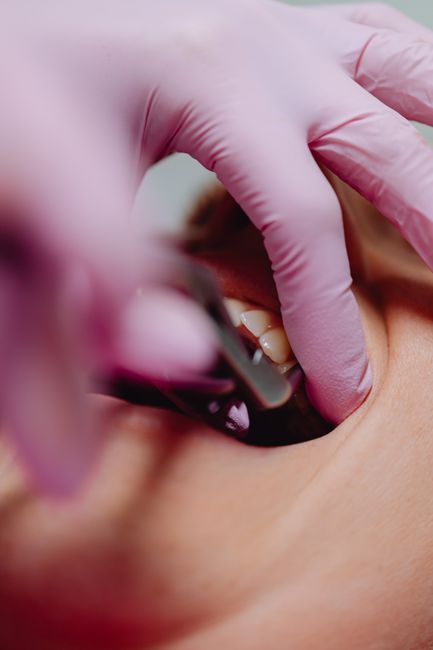
How Often Should I Really Visit the Dentist?
The standard recommendation of dental visits every six months is grounded in solid scientific understanding of how bacterial plaque and tartar accumulate in most people's mouths. Even with excellent daily oral hygiene, bacterial biofilms continuously develop on tooth surfaces. Regular professional cleanings and thorough examinations every six months allow us to remove this stubborn buildup and identify developing problems when they're still minor and easily treatable, rather than waiting until they become painful emergencies.
However, individual circumstances often dictate different visit frequencies. Patients with active periodontal disease, diabetes, a pattern of frequent cavities, or specific medications often benefit significantly from more frequent professional care, typically every three to four months. Pregnant women, tobacco users, and individuals with certain medical conditions also generally require closer dental monitoring to maintain optimal oral health throughout their treatment or life changes.
The key factor in successful long-term oral health is maintaining consistent professional care. When patients postpone appointments for extended periods, seemingly minor issues frequently progress into major problems requiring extensive, expensive treatment. Regular maintenance visits at Lamprey Dental help us preserve your oral health and address any concerns while they remain manageable and cost-effective to treat.
Why Do My Gums Bleed When I Brush?
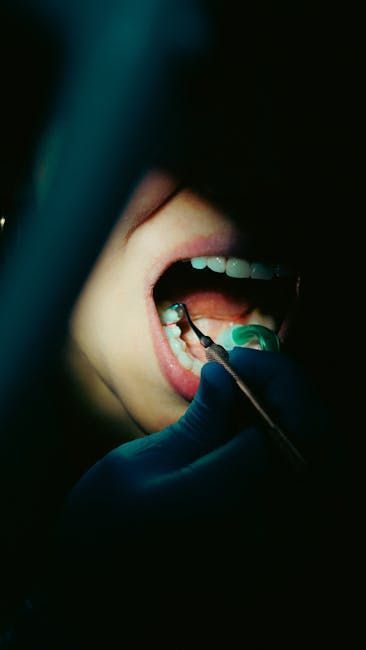
Bleeding gums function as your mouth's early detection system, alerting you to developing oral health issues that need attention. Most frequently, this bleeding indicates gingivitis — the earliest stage of gum disease caused by plaque buildup along the gum line. When bacterial irritants cause inflammation in your gums, they become swollen, sensitive, and prone to bleeding during normal oral hygiene routines. The encouraging reality is that gingivitis responds excellently to appropriate treatment and improved home care habits.
A common mistake many people make is avoiding the bleeding areas or brushing more gently in those spots, but this strategy actually makes the problem worse by allowing even more plaque to accumulate in those areas. What you really need to do is thoroughly remove the bacterial irritant causing the inflammation through consistent, proper daily cleaning combined with professional treatment. Most patients see remarkable improvement within one to two weeks of implementing correct brushing and flossing techniques along with professional care.
If left untreated, bleeding gums can indicate progression to more advanced periodontal disease, which can ultimately result in tooth loss, bone damage, and has been linked to serious systemic health problems including heart disease and diabetes complications. If you're experiencing regular gum bleeding, scheduling a thorough evaluation allows us to pinpoint the exact cause and create a personalized treatment plan that addresses your specific situation effectively.
Do I Really Need to Floss Every Day?
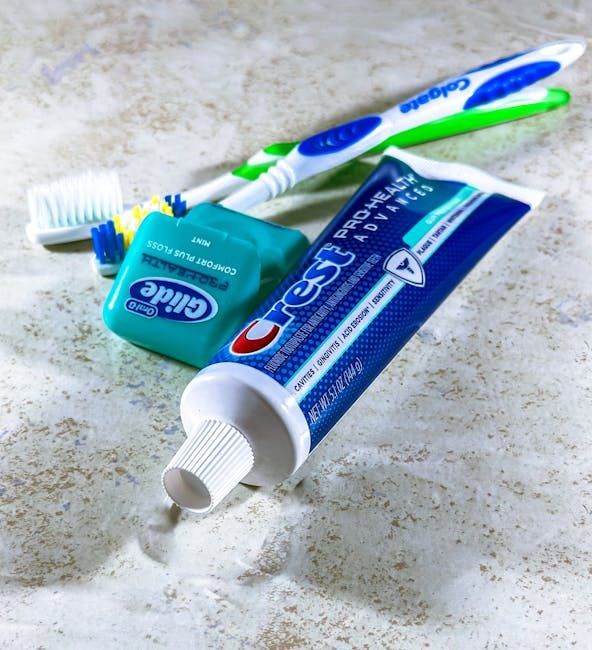
Your toothbrush, no matter how advanced or expensive, can only effectively reach and clean approximately 60% of all your tooth surfaces. The remaining 40% consists of the narrow spaces between teeth where bacteria can flourish completely undisturbed by brushing alone. These tight areas provide ideal conditions for bacterial growth and plaque accumulation, and without daily flossing intervention, this plaque hardens into calcified tartar that can only be removed with professional dental instruments during your appointments.
We completely understand that flossing can feel like a chore, particularly when you're tired, rushed, or dealing with a busy schedule. Many patients honestly tell us they floss "when they remember" or mainly before coming to dental appointments. However, daily flossing prevents cavities from forming between teeth, significantly reduces gum inflammation and bleeding, removes trapped food debris that causes bad breath, and contributes to overall better oral health. Once you develop a consistent daily routine, proper flossing takes just two to three minutes and becomes as natural as brushing.
If traditional string floss feels awkward, uncomfortable, or difficult to manage, consider trying different cleaning alternatives that might work better for your specific needs. Floss picks can make it easier to reach back teeth, water flossers work exceptionally well for people with braces or extensive dental work, and specialized interdental brushes are perfect for those with wider spaces between teeth. The most effective flossing tool is simply whichever one you'll actually use consistently every single day. Our team is always happy to demonstrate different techniques and help you find the method that works best for your unique situation.
When Should I Worry About Tooth Pain?
Understanding the different characteristics of dental pain can help you determine when you need immediate care versus when you can safely wait for a regular scheduled appointment. Brief, sharp sensitivity to cold beverages or sweet foods typically indicates relatively minor enamel erosion or a small developing cavity — certainly uncomfortable, but not necessarily requiring emergency treatment. However, persistent, throbbing pain that interferes with sleep, eating, or daily activities usually signals nerve infection or inflammation that requires prompt professional intervention.
Pain that continues for more than a few seconds after eating or drinking something hot or cold suggests the problem has progressed beyond surface-level sensitivity into the tooth's deeper, more sensitive internal structures. Additional serious warning signs that require immediate professional evaluation include noticeable facial swelling, fever, a persistent bad taste in your mouth, or visible swelling around the affected tooth. These symptoms typically indicate bacterial infection that can spread rapidly throughout your system without proper antibiotic treatment and professional care.
Even relatively mild, on-and-off discomfort deserves professional attention before it has the chance to progress to more serious, painful stages. Many patients try to manage dental pain with over-the-counter pain medications, hoping the underlying problem will somehow resolve on its own. While pain relievers can certainly provide valuable temporary symptom relief, they don't actually address or fix the underlying dental problem causing the pain. Seeking early professional intervention typically allows for more conservative, less expensive treatment options that preserve more of your natural tooth structure.
Are Dental X-Rays Safe?
This important safety question comes up regularly in our practice, particularly among concerned parents and pregnant patients. Modern digital X-ray technology exposes patients to remarkably low levels of radiation — roughly equivalent to what you'd naturally receive during a brief commercial airplane flight or from normal environmental background radiation over just two to three days. The protective lead apron we always provide offers substantial additional radiation shielding, and we only recommend taking X-rays when they're truly necessary for accurate diagnosis or comprehensive treatment planning purposes.
Dental X-rays reveal absolutely crucial information that remains completely invisible during regular clinical examination: cavities developing between teeth where they can't be seen, infections developing at tooth roots, bone loss occurring due to gum disease, impacted wisdom teeth, and various other structural problems. Without access to this vital diagnostic information, we might completely miss serious developing conditions until they progress to cause significant pain or require much more extensive, expensive treatment. The extremely minimal radiation exposure from modern dental X-rays is vastly outweighed by the tremendous benefits of early problem detection and prevention.
We strictly follow established professional guidelines regarding appropriate X-ray frequency based on your individual age, personal risk factors, and complete dental history. Most healthy adults typically need bitewing X-rays taken every year or every other year, while comprehensive full-mouth X-rays are generally recommended every three to five years. Children and patients with higher risk factors may need more frequent imaging to monitor their developing oral health, while those with excellent oral health and low risk factors might need X-rays taken less frequently. We always thoroughly explain our recommendations and welcome any questions about radiation exposure or imaging necessity.
Lamprey Dental
These commonly asked questions provide the foundation for understanding and maintaining excellent oral health throughout your entire lifetime. Every individual's mouth presents its own unique set of challenges and opportunities, which is why personalized care and clear, open communication with your dental team remain absolutely essential for achieving optimal long-term oral health outcomes.
Ready to get professional answers to your specific dental questions? Contact Lamprey Dental today to schedule your comprehensive appointment. Call us at (603) 895-3161 or visit our office at 37 Epping Street in Raymond, proudly serving patients throughout Rockingham County and the surrounding communities.