What Is Gum Disease? Symptoms, Stages, and Treatment Options
Tooth decay gets most of the attention when people think about dental problems, but the leading cause of tooth loss in adults isn't cavities — it's gum disease. And in Rockingham County and the surrounding area, we see the effects of it regularly. At Lamprey Dental in Raymond, we work with patients from Raymond, Epping, Candia, Deerfield, Nottingham, Fremont, and Chester, and gum health monitoring is part of every single visit we do. The reason is simple: gum disease is almost entirely painless until it's advanced, and by the time symptoms become obvious, significant damage may already have occurred.
Understanding what gum disease is — its stages, its causes, and how it's treated — is one of the most useful things a dental patient can know. Here's a clear breakdown of what you need to understand to protect your long-term oral health.
The Stages of Gum Disease: Gingivitis and Periodontitis
Gum disease exists on a spectrum with two primary stages that differ significantly in severity, reversibility, and the treatment they require.
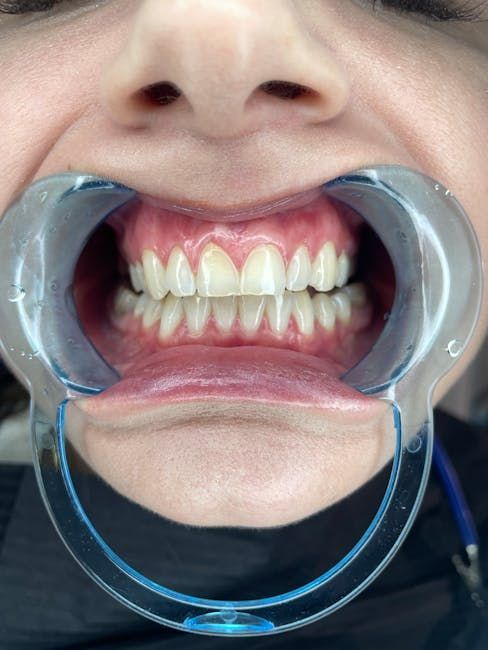
Gingivitis is the earliest form. It develops when plaque — the soft bacterial film that constantly forms on teeth — accumulates at and below the gumline. The bacteria in plaque provoke inflammation in the surrounding gum tissue: redness, swelling, and bleeding during brushing or flossing. The critical fact about gingivitis is that it is completely and fully reversible. Remove the bacterial irritant with a professional cleaning and improve home care, and the gums heal. No bone has been affected. Nothing structural has changed. At this stage, treatment is simple and outcomes are excellent.
Periodontitis is what gingivitis becomes when left unaddressed. As bacteria work their way deeper below the gumline, the body's immune response begins breaking down the bone and connective tissue anchoring teeth in place. Gum pockets deepen. Bone is lost. Teeth may loosen or shift. This damage is permanent — periodontitis can be stabilized and managed, but the bone that's been lost cannot be grown back. The distinction between these two stages is enormous: one is fully reversible, the other is manageable at best. This is why early detection is so clinically important.
Warning Signs — What to Watch for at Home
The most important thing to understand about gum disease is that early stages are largely silent. Most patients with gingivitis or even early periodontitis feel nothing unusual. But there are signs that should prompt you to call your dental office rather than wait for your next scheduled visit.
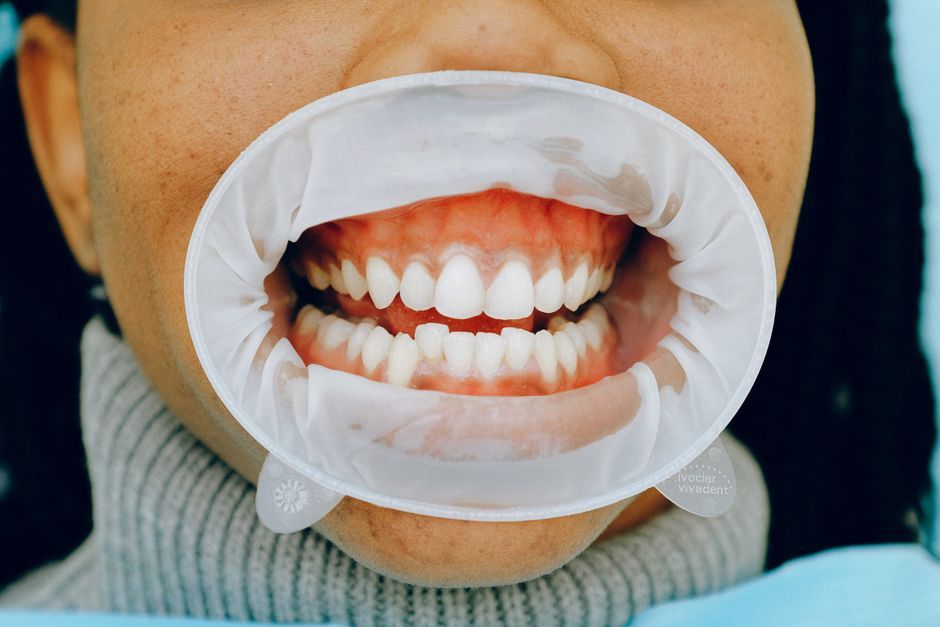
Bleeding when you brush or floss is the most reliable early indicator. Many patients have lived with this for years and assume it's just how their gums are. It isn't — healthy gums don't bleed from routine brushing. Bleeding is an inflammatory signal. Persistent bad breath that returns quickly after brushing and doesn't respond to mouthwash is another common sign of bacterial accumulation below the gumline. Gums that look redder or puffier than usual, or that appear to be pulling away from the teeth, are warning signs worth noting.
In more advanced disease, the signs become more pronounced: teeth that feel slightly loose, that have shifted position, or that are newly sensitive to biting pressure all signal that supporting bone may have been compromised. If you're experiencing any of these symptoms in the Raymond area and haven't had a recent cleaning, don't wait for your next scheduled appointment — come in and let us take a look.
What Makes Some Patients More Vulnerable
Plaque is the direct cause of gum disease, but certain factors significantly increase how quickly it develops and how severe it becomes. Tobacco use is among the most significant — smoking reduces blood flow to gum tissue, slows healing, and can mask early bleeding symptoms that might otherwise prompt a patient to seek care earlier. Smokers tend to develop more severe disease and respond more slowly to treatment.
Diabetes has a well-documented bidirectional relationship with gum disease: uncontrolled blood sugar makes gum disease more likely and more severe, and active periodontal infection makes blood sugar harder to control. Patients with diabetes in the Raymond and Epping area are encouraged to keep their dental appointments especially consistently. Hormonal changes during pregnancy temporarily increase gum sensitivity and make gingivitis more likely. Dry mouth — from medications, medical conditions, or simply not staying hydrated — reduces saliva's natural protective effects. And genetics plays a meaningful role: some patients are inherently more predisposed to gum disease regardless of how carefully they care for their teeth at home.
How Gum Disease Is Treated
Treatment depends entirely on the stage of the disease. For gingivitis, a thorough professional cleaning — removing the tartar that has accumulated above and below the gumline — is often all that's needed. Paired with improved brushing and flossing technique at home, and possibly an antimicrobial rinse, the gum tissue typically heals within a few weeks. The problem is fully resolved.
For early to moderate periodontitis, the standard treatment is scaling and root planing — sometimes called a "deep cleaning." This procedure, performed with local anesthetic for comfort, removes tartar deposits from root surfaces below the gumline and smooths those surfaces to make bacterial reattachment harder. It's typically done in sections over one or two appointments, followed by a re-evaluation several weeks later to assess how the tissue has responded. Most patients see meaningful improvement — reduced pocket depths, less inflammation, and stabilized bone levels — with this approach alone.
In more advanced cases, or where non-surgical treatment hasn't achieved adequate results, referral to a periodontist for surgical evaluation may be recommended. After active treatment, patients with a history of periodontitis move to a more frequent maintenance schedule — typically every three to four months rather than every six — to monitor the condition and prevent recurrence.
Why Gum Disease Matters Beyond Your Teeth
Chronic periodontal disease is not just a dental problem. Research has consistently linked it to elevated risk of cardiovascular disease, stroke, diabetes complications, respiratory infections, and adverse pregnancy outcomes. Bacteria from an infected, inflamed mouth can enter the bloodstream and drive systemic inflammation throughout the body. For patients in Rockingham County managing any of these conditions, treating active gum disease is a meaningful part of comprehensive health management.
Lamprey Dental — Gum Health Care in Raymond, NH
Gum disease is preventable. When it develops, it's highly treatable — especially when caught early. The most important thing is not waiting until something hurts, because by that point the window for simple treatment may already be closed. Regular visits give us the opportunity to catch changes before they become problems.
Concerned about your gum health or noticing any of the warning signs? Contact Lamprey Dental today to schedule an evaluation. We serve Raymond, Epping, Candia, Deerfield, Nottingham, Fremont, and Chester. Call (603) 895-3161 or visit us at 37 Epping St, Raymond, NH 03077. Learn more about our preventive dentistry services and how we keep Rockingham County families healthy year-round.