Why You Shouldn't Skip Your 6-Month Dental Cleaning
In a town like Raymond — and across Rockingham County — people tend to be practical. They take care of their vehicles, their homes, and their families. But dental cleanings have a way of slipping through the cracks even for the most organized people. Life gets full, and a six-month cleaning can feel low-priority when nothing hurts. At Lamprey Dental, we serve patients from Raymond, Epping, Candia, Deerfield, Nottingham, Fremont, and Chester — and one thing we hear again and again is that patients are surprised by what a cleaning visit actually involves, and how much can change when appointments are skipped.
The six-month cleaning schedule isn't arbitrary. It's built around the clinical reality of how quickly tartar accumulates and how early gum disease can begin to take hold — quietly, without symptoms. Staying on schedule is the most practical thing you can do for your oral health. And like most maintenance, it's far cheaper and easier than the repairs that follow from neglect.
What Happens at a Cleaning Appointment — The Full Picture
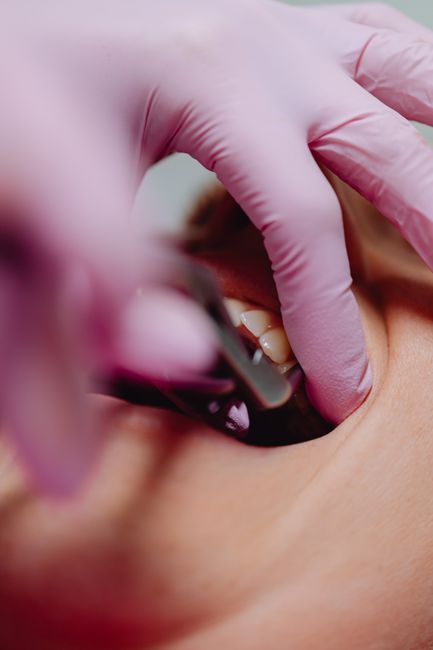
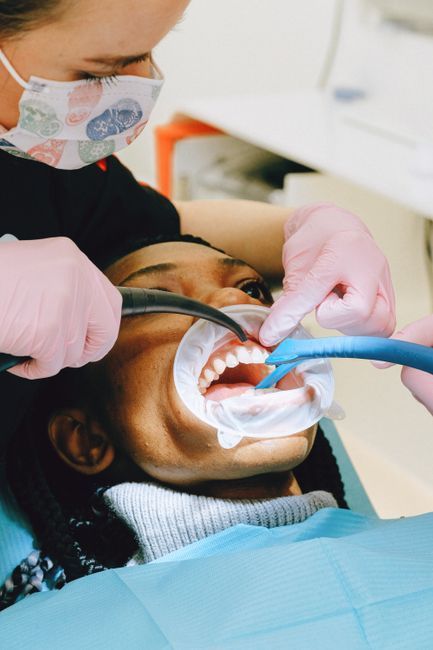
The most common misconception about a dental cleaning is that it's mainly cosmetic — a polish, a rinse, and you're done. In reality, a significant amount of clinical work happens in that chair. Your hygienist's primary task is removing tartar, the hardened mineral deposit that forms when plaque isn't fully cleared through brushing and flossing. Tartar builds up above and below the gumline and cannot be removed by any home care routine once it hardens. Only professional scaling tools can break it down safely without damaging your enamel.
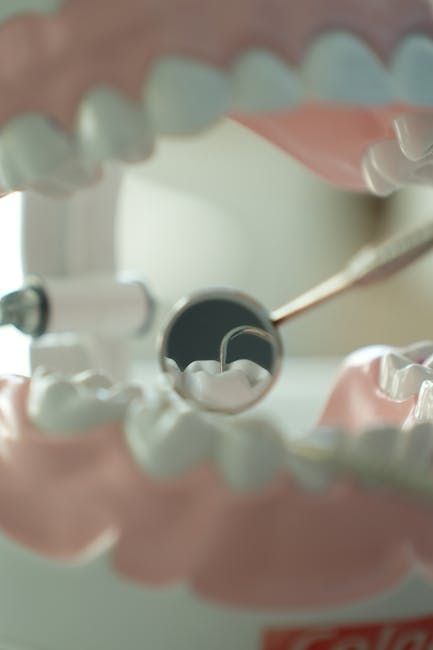
While removing tartar, your hygienist also systematically measures the depth of the pockets between your teeth and gums at multiple points throughout your mouth. These measurements are tracked over time and serve as an early warning system for gum disease. Healthy gum pockets are shallow. As gum disease develops, those depths increase — but the process is almost always silent. There's typically no pain, no bleeding visible to the patient, and no obvious sign that anything is wrong until the condition is well established. This is why your hygienist's measurements matter so much: they catch what you can't feel.
Your dentist's exam at each visit also includes an oral cancer screening — a quick but clinically important check of the soft tissues in your mouth, throat, and jaw. Oral cancer is highly survivable when caught in its early stages, but it frequently develops without any pain or visible signs early on. The routine dental exam is one of the primary ways it gets detected before it becomes serious. That screening alone is worth showing up for.
The Cost of Putting It Off
Most patients who delay cleanings do so thinking they'll get to it soon — or that since nothing hurts, it's probably fine. But dental disease operates on its own timeline, not yours. Plaque continues forming and hardening. Early gum inflammation continues progressing. Cavities that start as small, easy-to-fill lesions continue deepening toward the nerve. None of this pauses while you're busy.
The financial picture is stark. A preventive cleaning is one of the least expensive things in dentistry. A filling costs several times more. A root canal or crown can cost many times more than that. Patients who maintain regular six-month appointments almost never face the large dental bills that make people dread going to the dentist — because by the time they're in the chair, every problem they have is still small. Patients who go two, three, or more years without a visit often find that what they thought was a routine catch-up appointment turns into something much more involved.
Gum disease in particular follows a one-way cost escalation. Caught at the gingivitis stage, it requires just a thorough cleaning and improved home care. Left to progress to periodontitis, it requires deep cleaning procedures, more frequent office visits, and sometimes surgical referral. The bone and tissue loss caused by advanced periodontitis is permanent. There's no treatment that restores what's already been destroyed — only management of what remains. Preventing that progression is vastly cheaper and less disruptive than treating it after the fact.
Oral Health Connects to Your Overall Health
One of the most important developments in dental research over the past two decades has been a clearer understanding of the relationship between oral health and systemic conditions. Chronic gum disease has been linked to increased risk of heart disease, stroke, diabetes complications, respiratory disease, and pregnancy complications. The bacteria from an inflamed mouth can enter the bloodstream and trigger inflammatory responses that affect organ systems throughout the body.
For patients in Raymond and the surrounding communities who are managing conditions like diabetes or cardiovascular disease, this connection is genuinely important. Gum disease and blood sugar dysregulation worsen each other in a documented feedback loop. Medical professionals increasingly recognize that managing gum disease is part of managing diabetes comprehensively — not just a dental matter.
At Lamprey Dental, we ask about your health history and any recent changes at every visit. Medications, diagnoses, and health changes all affect your oral health and how we approach your care. We want to treat the whole patient, not just the teeth — and that means having the full picture at every appointment.
Practical Tips for Staying on Track
The simplest and most effective habit for staying on schedule is booking your next appointment before you leave the office after each visit. It takes thirty seconds and removes the need to remember to call later. Patients who do this almost never fall off their schedule. Those who intend to call in a few months often find that a few months becomes six, then twelve, then more.
If dental anxiety has kept you away — whether from a previous bad experience or just general nervousness — please mention it when you call us. Our team at Lamprey Dental works with anxious patients regularly and is happy to walk you through exactly what to expect, go at your pace, and talk through any accommodations that help. The anticipation of a dental appointment is almost always worse than the appointment itself, particularly for routine cleanings.
Finally, keep in mind that consistent cleanings are genuinely more comfortable than appointments after a long gap. When there's less tartar to remove, the cleaning is faster and gum sensitivity afterward is minimal. The longer it's been, the more there is to address and the more likely you are to feel some tenderness for a day or two afterward. Staying regular keeps the experience easy.
Lamprey Dental — Preventive Care for Raymond and Rockingham County
Two appointments a year is a small investment for a lifetime of healthy teeth and gums. The six-month cleaning protects everything — from catching cavities early to monitoring gum health to screening for oral cancer. It keeps small problems from becoming large ones and keeps your treatment costs predictable and manageable.
Don't wait until something hurts. Contact Lamprey Dental today to schedule your cleaning and exam. We serve patients from Raymond, Epping, Candia, Deerfield, Nottingham, Fremont, and Chester. Call us at (603) 895-3161 or stop by at 37 Epping St, Raymond, NH 03077. Learn more about our preventive dentistry services and how we keep Rockingham County families smiling year-round.